Regensa Impact Corp.

For Capital that Cares, You're Invited to the Work that Matters.
Reclaiming Rural Food Sovereignty — One Farm, One Region at a Time.
The Riverdale Myth vs. The Sovereignty Reality
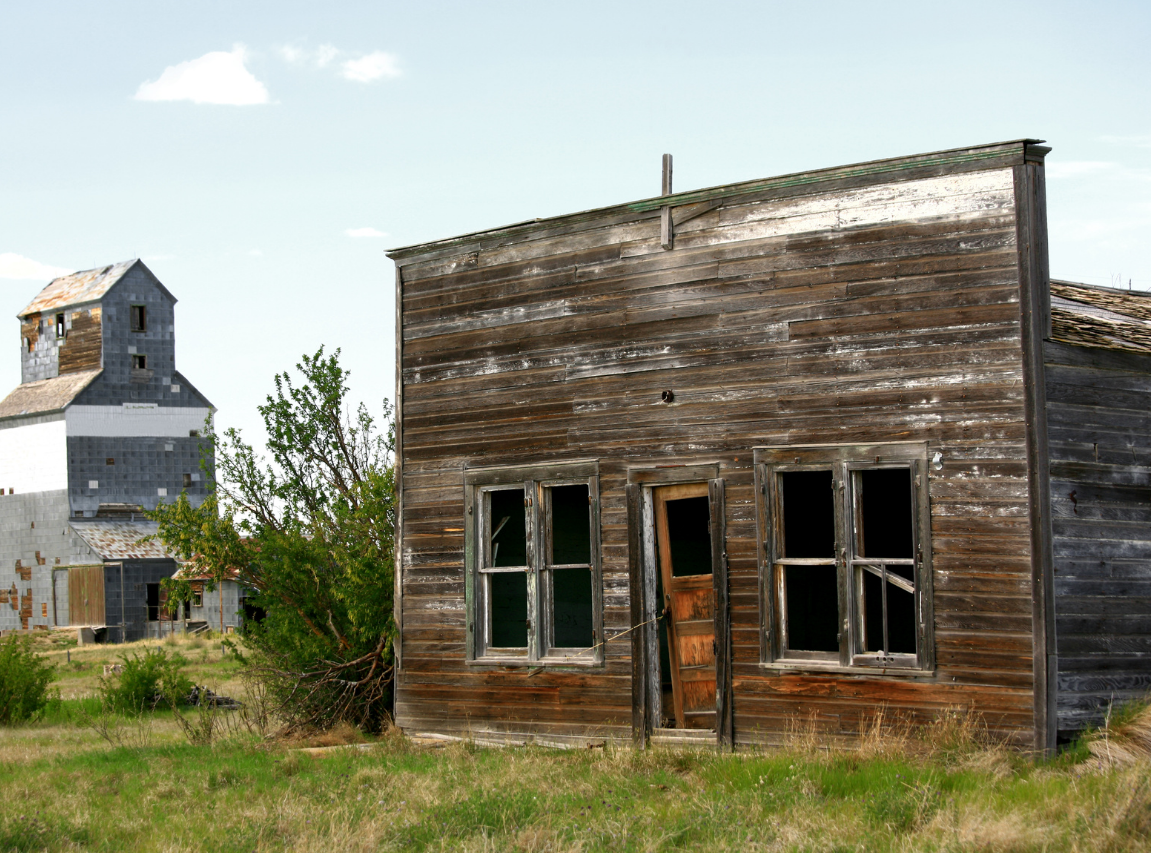
The town that never quite existed… that we all remember.
“Riverdale” lives in our imagination as the heartland town where the land fed the community and the community processed the wealth of that land — through the mill, the creamery, the seed cleaner, and the shops on Main Street.
What happened to that middle?
Over the last seventy years, those pieces of local infrastructure were stripped out and consolidated into distant industrial hubs.
The result is a missing middle between farm gate and dinner plate: global intermediaries capture the value, while real Riverdales are left as capital pass‑throughs instead of collectors of it.
Regensa — Partnering for Regenerative Impact: Food, Land & Capital
The North American Rural Economy
has a Structural Problem.We Developed the Rural
Value-Capture Approach to Fix It.
What Is!

What Could Be!

Independent farms lost since 2017
Regional food imported in many counties
Of all farms are small family operations
Of total sales captured by small farms
Sources: USDA Census of Agriculture 2022 · Bioregional Food Security Assessment / UNR-SFIP Data
For the Skeptics
This Is Not a Mission. It's a Structural Intervention.
The Reality: Your “Mission” Is Failing.
For forty years, much of rural North America has been treated as an extraction zone. While philanthropy has funded projects, the dominant system has quietly hollowed out the middle. We're living in an hourglass economy: Big Ag at the top, hobby farms at the bottom, and mid-size, independent operations — the backbone of regional sovereignty — systematically squeezed out. This isn't about a lack of effort or heart; it's about a structural trap that turns entire counties into price takers.
Those recognizing the issues have been in “mission mode” for decades — pilots, grants, incentives, and programs all claiming to support local producers. On the ground, the pattern is different: fewer independent operators, more consolidation, and more value leaving through commodity channels. If those efforts were working, we'd see durable, locally held earning power deepening over time. We don't. That gap between the promise and the outcome is the problem we are here to address.
The Pedigree: We've Had to Solve This Before.
We recognize this challenge because we have had to deal with the same structural squeeze in other industries. Our work has included a revolutionary response within the Home Building Supply Sector, (shifting the traditional ‘sell-side’ to a Group ‘buy-side’ proposition). In a similar manner, a few years later our focus centered on consolidating a portion of the plant-built, a.k.a. ‘Systems-Built’ wood-frame and heavy architectural timber industry.
In each case, the pattern was familiar: small and mid-sized operators carried the risk while value leaked out elsewhere. The only way through was to change the underlying structure and method, not just ask people to “try harder” inside a rigged game.
If any of the listed domains matter to you, we're happy to walk through specifics. If not, all you need to know is that we're not discovering this problem for the first time in rural food supply systems — we're applying lessons we learned the hard way in adjacent markets.
The Mechanism: Plugging the Capital Leak.
We are not offering yet another program. We are deploying a constructive operating system to re-establish the missing and lost infrastructure that once served producers and markets. This means replacing the mills, modular processing hubs, and regional logistics nodes that were stripped out to enforce dependency. When these hubs come back online, capital stops leaking out through commodity channels and starts circulating where it should: in the communities that generate it.
The Proof: Value, Not Charity.
We validate this system through applications, not theory. Our starter archetype, Agri4ge's SmallAg Early Bird Farm & Mill, proves the math: by turning commodity grain into regional artisan flour, we capture value-added enhancement. Akin to ‘eating an elephant,’ this is achieved one small enterprise at a time; we're building a different outcome. We are not asking for handouts; we're deploying catalytic infrastructure designed to restore regional sovereignty, earning power, and control.
While not offering farming advice, we do provide a proven framework to advance industry-inspired opportunities— fostering enduring success!
The State of Things
Full Shelves, Fragile System
The era between the 1950s and 1980s wasn't just a change in farming — it was a systemic depopulation of the rural landscape. Earl Butz's "Get Big or Get Out" mantra became the death knell for the 150-acre diversified farm, replacing community-scale agriculture with an industrial hourglass: a handful of commodity giants at the top, micro-hobby farms at the bottom, and a hollowed-out middle where viable, community-serving agriculture once thrived.
Earl Butz served as Secretary of Agriculture under Presidents Nixon (1971–1974) and Gerald Ford (1974–1976), resigning in October 1976 after a racial scandal.
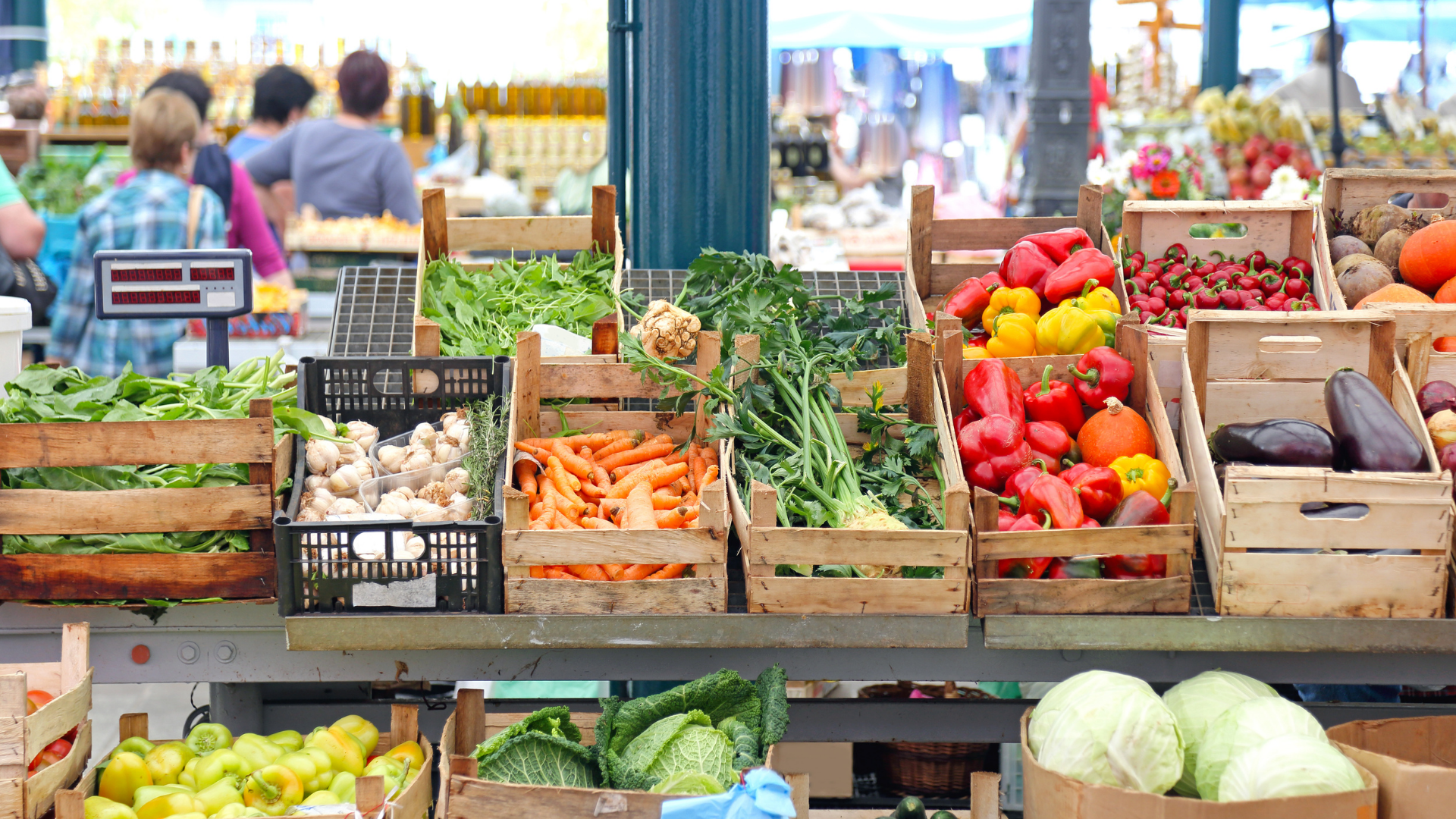
That consolidation had a measurable cost. When the Missing Middle was stripped out, the value it once captured — processing margins, storage fees, local employment, reinvested profit — migrated to distant industrial hubs. A county that produces 10 million bushels of corn can no longer find a locally grown tomato. Today, nearly 88 cents of every food dollar leaves the community to pay for processing, packaging, and transportation.
USDA Economic Research Service, Food Dollar Series (2024): farm share = 11.8 cents; marketing share (processing, transportation, storage, wholesale, retail) = 88.2 cents per food dollar.
The middle ground that once carried region-scale solutions has thinned dramatically, leaving small and midsize farms stranded between grant support and commercial finance — with nowhere reliable to test, prove, and scale what they know how to do. Regensa exists to rebuild that middle.
“Anchored at the crossroads of capital and readiness, Regensa Impact builds the scaffolding that readiness-challenged opportunities need — moving each initiative from grant funding to commercial finance and into investable reality.”
Understanding the Landscape
Six Questions That Frame the Challenge
Who is Squeezed?
What's at Stake?
Where's the Challenge?
_261ed397.png)
When Does It Appear?
Why Does It Matter?

How?
The Landscape We Are Working to Change
Facing the Sovereignty Void — the Challenge
Regional food sovereignty is not where we are — it is where we are headed.
To understand why the journey matters, we must first understand
how the landscape was broken, and what a
credible first step looks like.
| Dimension | The Broken Status Quo | The Model We Are Building Toward |
|---|---|---|
| Farm Scale | 100 to 500+ acre monoculture — one crop, one buyer | Reduce Farm size (Potentially), gradually Diversify Crops, with Regional Buyer Focus |
| Processing | Centralized hubs hundreds of miles away | Sovereignty Hub — Neck of the Hourglass for Local Crop Production & Consumption |
| Farmer Role | Price-Taker selling Number 2 Yellow Corn | Price‑Makers of Branded Regional Produce |
| Yield Logic | 2% net margin on commodity export | Value Enhanced net margin on regional sovereign assets |
| Capital | Bank debt for $500K monoculture equipment | Capital Cascade — concessional to institutional |
| Community | Atomised — no mill, no creamery, no hub | Farm Sovereignty Hubs: The Community Campfire |
| Resilience | Fragile — cyclical price drop ends the farm | Resilient — multi-crop units with local market safety net |
| Food Import | Nearly 88 cents of every food dollar leaves the region (USDA ERS 2024) | Up to 90% import dependency becomes an up to 90% local market opportunity |
The Commodity Hourglass
Earl Butz's 'Get Big or Get Out' mantra killed the 150-acre diversified farm. The Policy shifted from fair prices to subsidised production, driving farmers into debt for monoculture machinery. By the 1980s Farm Crisis, thousands of multi-generational farms were foreclosed. Big Ag at the top, micro-hobby farms at the bottom — and nothing in between.
The Death of the Missing Middle
The Missing Middle wasn't abandoned — it was made uneconomic. As Big Ag consolidated, federal policy incentivised scale: larger processing facilities, longer supply chains, centralised storage. The local mill, the regional creamery, the seed cleaner couldn't compete on volume. Once they closed, the farmer lost market power — forced to sell raw commodities at Chicago Board of Trade prices with no local alternative.
The Sovereignty Wedge: Our Aspiration
We do not ask for a revolution. We ask for a slice. The ambition: a farmer allocates 5% to 20% of their land to a diversified, region-first enterprise. When 10 farms in a region each take that step, there is enough aggregate volume to justify a ‘Sovereignty Hub’. This is the destination we are building toward — one Independent Family Farm Relationship at a time.
Where We Start — and Where It Leads
Where We Start
Independent Family Farm Enhancement
One farm at a time. An independent family farm activates value‑added enterprises—modular “clip‑ons” matched to the region’s soil, climate, markets, and the operator’s skill set. The farm becomes Operations Central for a Farmable Land Zone (FLZ) of Acreage Partners: low‑capital, fast‑activation, and farm‑owned.
What It Builds
Zone Momentum
As individual farms prove the model and build regional momentum, neighboring landholders — dormant land owners seeking revenue and revitalisation — join as Acreage Partners. The Hub Licensee coordinates operations, equipment, training, and daily marching orders across the Zone. Community revival begins at the local level.
The North Star
Regional Sovereignty Reclamation
The long horizon: mid-tier operations (100–500 acres) converting a portion of their acreage to diversified, regional-first enterprise. Once enough farms assemble, the aggregate volume justifies a purpose-built Regional Infrastructure Facility — processing, cold storage, equipment library — rivalling Big Ag in scale, but serving the community. The Neck of the Hourglass re-forms.
We are orchestrators of opportunity readiness,
building the scaffolding that readiness-challenged
industry innovation, supply chains, farms,
and communities need to cross — i.e., the gap
between regenerative intent
and investable reality.
Seen enough to want a conversation?
Let's Talk_1a32b94c.webp)
"As a partner to both innovation and finance,"
we pair regenerative opportunities that matter with capital that cares.
How We Bridge the Readiness Gap
From Discovery to Investable
ORL (Opportunity Readiness Level) is Regensa's adaptation of the TRL (Technology Readiness Level) framework, which NASA originally developed and is now widely used across science, government, and industry. This is a 1–9 scale that measures how ready an opportunity is to attract and carry structured capital, not just how technically advanced it is.
Between ORL 3 and ORL 6 — past proof of concept but not yet investable — lies the Valley of Death. Grants have done their part; commercial capital is still holding back. Regensa's Opportunity Ascension Staircase walks each opportunity through this gap step by step.
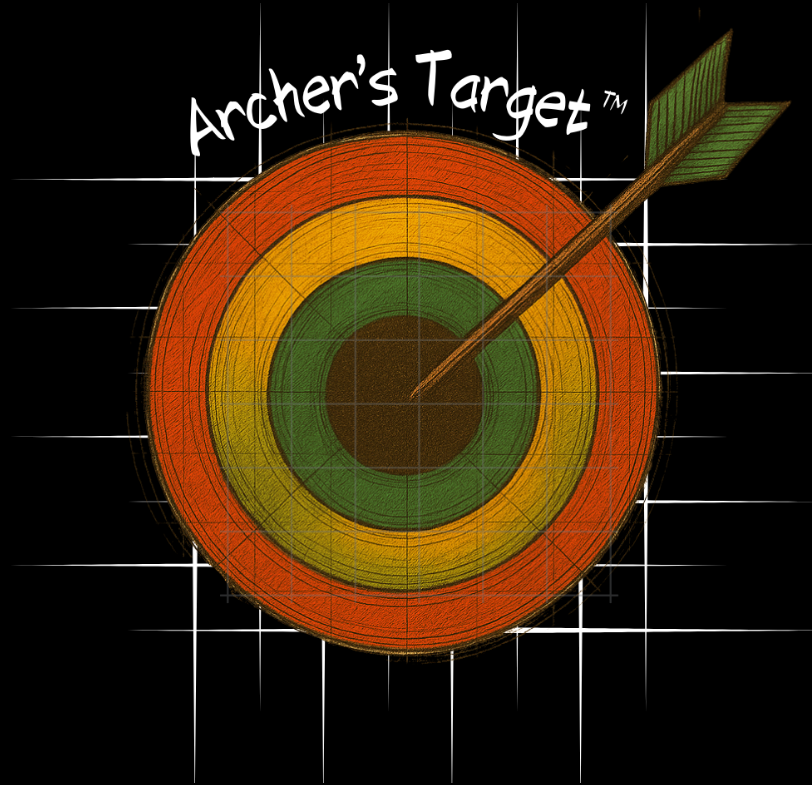
We don't begin with a solution. We begin with structured discovery — using our Archer's Target™ Reverse Concentric Iterative Funnel. This process starts wide, mapping what could be, and works iteratively inward through concentric bands of validation, feasibility, and alignment. An opportunity reaches the center — what we call Meaningful — when it has sufficient coherence across Technology, Market, Management, and Money to justify structured capital engagement. Once Meaningful, we orchestrate the Capital Cascade to move it toward full investability.
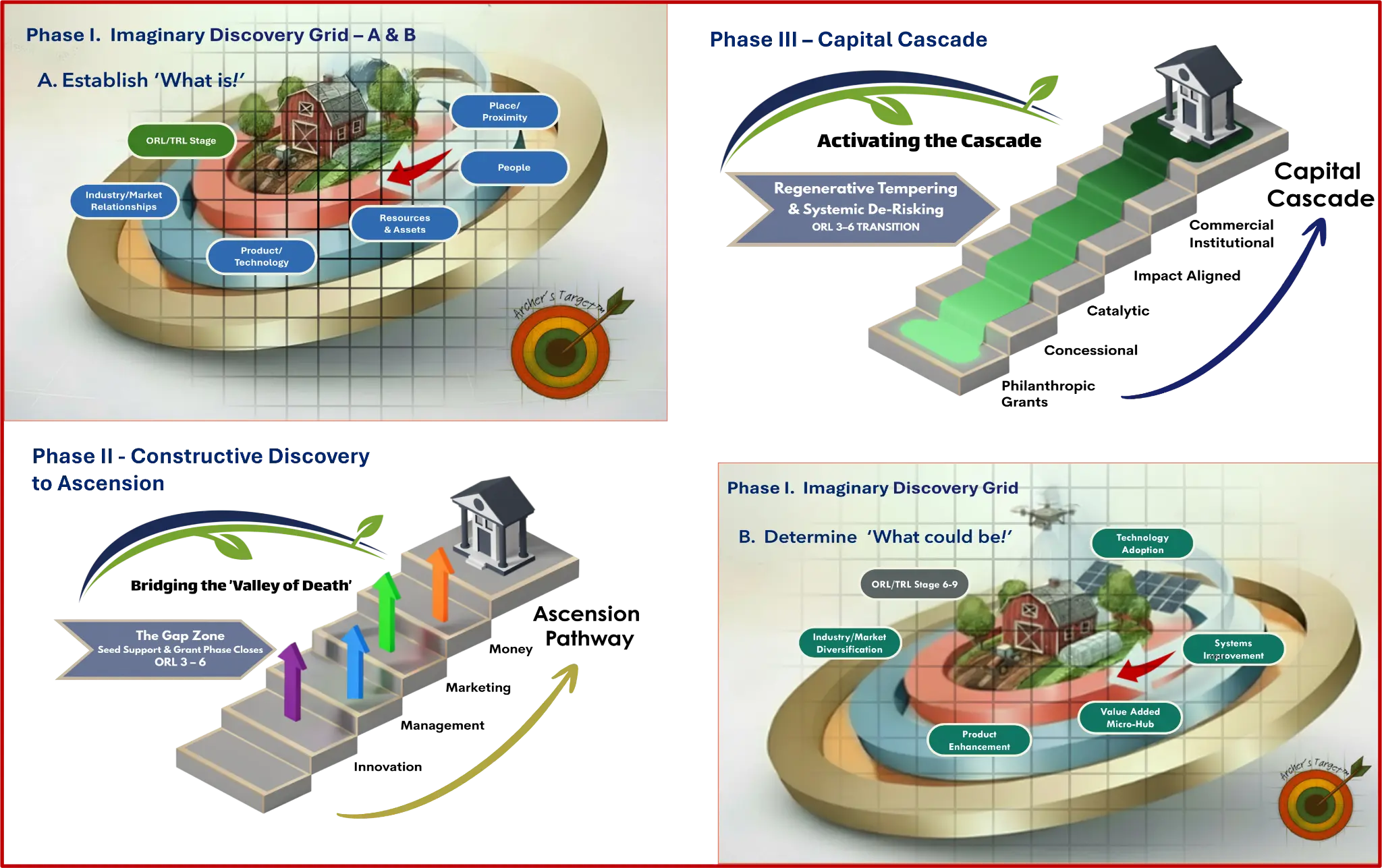
The Archer's Target — Constructive Discovery · ORL Staircase · Capital Cascade · Readiness Bridge
ORL 1 – 3
Discovery & Readiness
Archer's Target defines what 'good' must look like. Constructive Discovery surfaces what is real, what is missing, and what the opportunity is actually ready to carry.
ORL 3 – 6
The Valley of Death
Where Regensa does its most deliberate work — bundling methodology, technology, talent, and land assets into structures that match readiness to risk tolerance, inviting concessional and catalytic capital to co-shape the pathway.
ORL 6 – 9
Capital Cascade
Once structured and de-risked, the Capital Cascade sequences impact and commercial capital in the right order — each tranche unlocking the next, aligned with what the opportunity is structurally ready to carry.
Our Market-Facing Initiatives
Three Banners, One Mission
Each initiative is a deliberate construct — a focused lens on a specific dimension of the regenerative impact economy. Together they form the Regensa ecosystem.
"Forge: to form or bring into being..."
Archer's Target
Our precision framework — defining what 'good' must look like for farms, the extended supply chain, communities, and investors. The Reverse Concentric Iterative Funnel guides every engagement.
CoHeros
The coalitions essential to each outcome—sector specialists, fractional talent, local operators, and aligned funders—are invited at the earliest stage. This collaborative approach co-authors the Opportunity Ascension pathway, ensuring every stakeholder has a hand architecting the project's advancement.
Are you an impact investor or a potential partner ready to explore?
Book a Discovery CallPartnership Invitation
Join Us as a CoHero™
We’re seeking capital partners and field‑proven experts who share our resolve
to make regenerative agriculture and land care economically viable,
ecologically renewing, and deeply meaningful for the communities they serve.
Whether you bring concessional capital to bridge the Valley of Death, or
practitioner expertise to de-risk and accelerate progress — both paths
matter, both are honored, and both are compensated appropriately.
Who We Are
A Single, Symbiotic Force
Together, Liz Lamond and Vic Lang step in as co-developers, blending sharp financial design with entrepreneurial pattern recognition to turn complex,
stalled situations into clear, investable progress.
Whether the starting point is a supply-chain innovation or a readiness-challenged farm, supply-sector business, or property, we shape it into an opportunity that carries its own weight, returns value to the region it serves, and replenishes early philanthropic and concessional support instead of simply consuming it.

Liz Lamond
Keeps partners, operators, funders, and field teams
moving in sync as one coherent system.
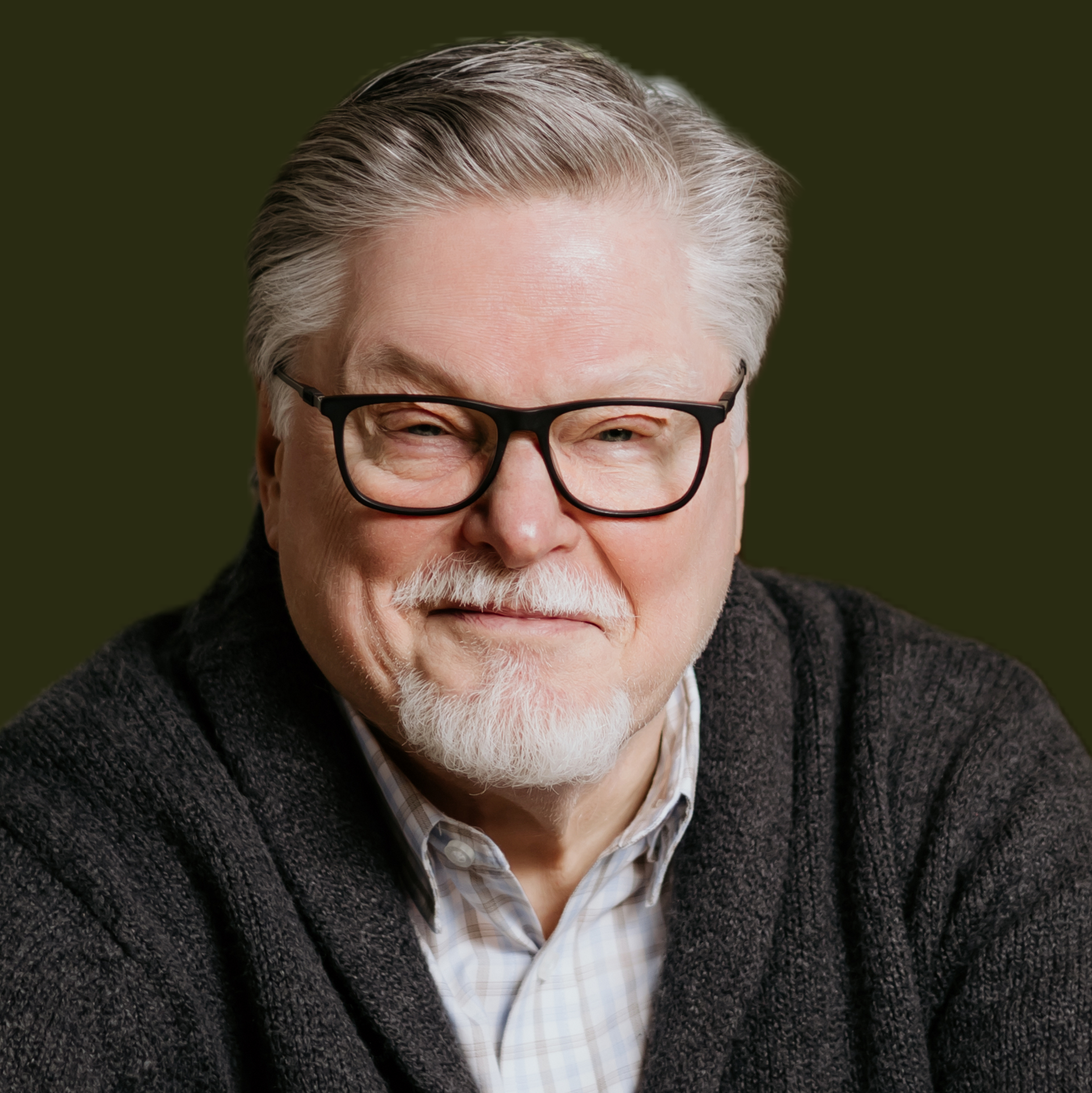
Vic Lang
Structures messy, readiness-challenged situations
into clear, investable progress.
Let's Plant the Seed —and have a Conversation.
Whether you're a farm operator, an impact investor,
a practitioner expert, or simply someone who
believes the regenerative future is worth building,
we'd like to hear from you.
Ready to see how the model actually works?
Our Approach